Dental implants are widely considered the gold standard for replacing missing teeth. Unlike dentures or bridges, an implant replaces the entire tooth structure — from root to crown — providing a permanent, natural-looking, and fully functional restoration.
What Is a Dental Implant?
A dental implant is a small titanium post that is surgically placed into the jawbone beneath the gum line. Titanium is biocompatible, meaning the body accepts it without adverse reaction. Over a period of 3 to 6 months, the implant fuses with the surrounding bone through a process called osseointegration, creating an exceptionally stable foundation for a prosthetic tooth.
Are You a Candidate?
Most healthy adults with adequate jawbone density are good candidates for dental implants. Conditions that may require additional evaluation include uncontrolled diabetes, heavy smoking, radiation therapy to the jaw area, and significant bone loss. In cases of insufficient bone, your surgeon may recommend a bone grafting procedure prior to implant placement.
The Procedure Step by Step
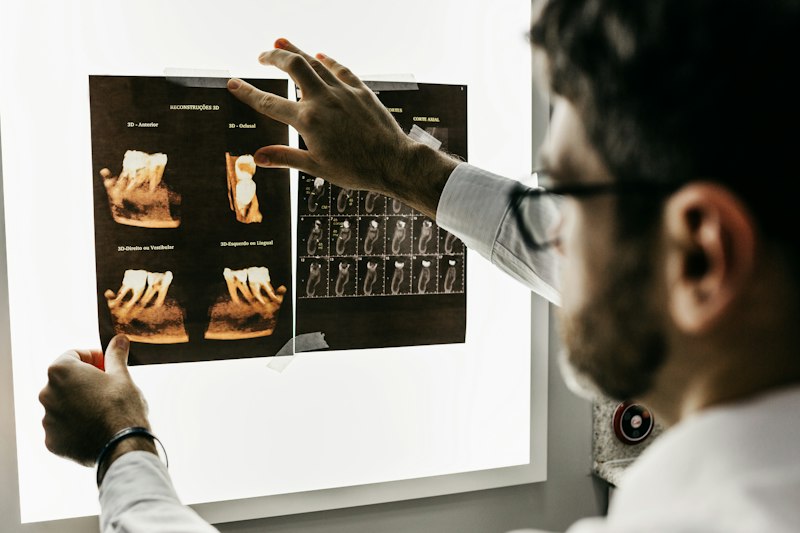
Phase 1 — Planning: Your dentist will take 3D cone beam CT scans to evaluate bone quality, nerve positioning, and sinus proximity. A surgical guide may be digitally designed to ensure precise implant placement.
Phase 2 — Implant Placement: Under local anesthesia (or sedation if preferred), the dentist makes a small incision in the gum, creates a precise channel in the bone, and threads the implant into position. The gum is then closed over or around the implant to allow healing.
Phase 3 — Osseointegration: Over the next 3 to 6 months, the implant integrates with the jawbone. During this time, a temporary tooth or partial denture may be worn for aesthetics.
Phase 4 — Abutment and Crown: Once integration is confirmed, an abutment is attached to the implant, and a custom-made porcelain or zirconia crown is cemented or screwed into place. The crown is color-matched to your natural teeth for a seamless appearance.
Recovery and Aftercare
Most patients experience mild discomfort for 3 to 5 days after surgery, manageable with over-the-counter pain medication. Swelling typically peaks at 48 hours and subsides within a week. Your dentist will provide specific instructions regarding diet (soft foods for 1 to 2 weeks), oral hygiene, and follow-up appointments.
Success Rates and Longevity
Dental implants have a documented success rate of 95 to 98 percent over 10 years. With proper oral hygiene and regular dental check-ups, implants can last 20 years or more — often a lifetime. The most common causes of implant failure are infection (peri-implantitis) and excessive mechanical stress.