Orthodontic treatment corrects misaligned teeth and improper bites, improving both function and aesthetics. The two primary options available today are traditional metal braces and clear aligner systems such as Invisalign.
Traditional Metal Braces
Metal braces consist of stainless steel brackets bonded to each tooth, connected by an archwire that applies continuous pressure to guide teeth into their correct positions. Modern braces are significantly smaller and more comfortable than those used decades ago. Treatment duration ranges from 12 to 36 months depending on case complexity. Metal braces are the most effective option for severe crowding, significant bite problems (overbite, underbite, crossbite), and complex tooth movements.
Clear Aligners
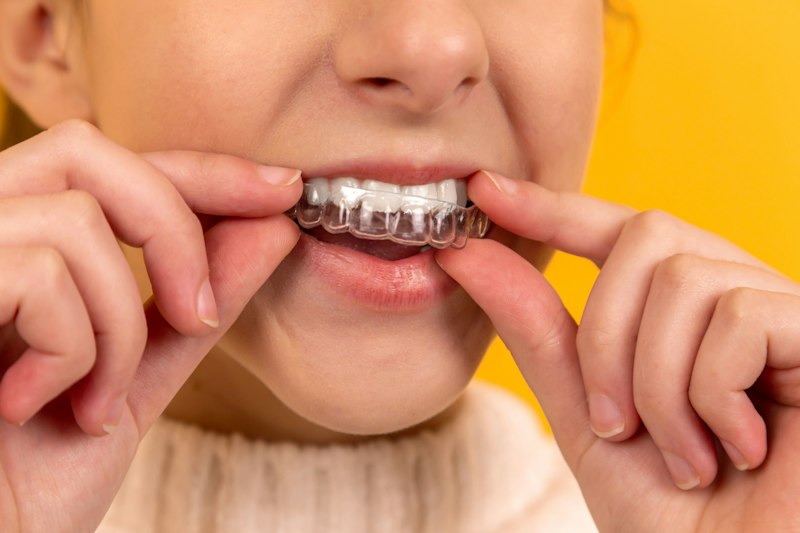
Clear aligners are a series of custom-made, removable plastic trays that gradually shift teeth. Each set is worn for 1 to 2 weeks before being replaced. They are nearly invisible, removable for eating and brushing, and generally more comfortable than braces. However, they require patient compliance — wearing them 20 to 22 hours per day — and are best suited for mild to moderate alignment issues.
Which Is Right for You?
The choice depends on the complexity of your case, your lifestyle, and your budget. A qualified orthodontist can assess your specific needs through clinical examination and imaging. Both options deliver excellent results when used for the appropriate indications.
After Treatment: Retainers
Regardless of which option you choose, retainers are essential after treatment to prevent teeth from shifting back. Most orthodontists recommend wearing a retainer nightly for at least 2 years, and many patients wear them indefinitely. Fixed (bonded) retainers placed behind the front teeth are an increasingly popular option for long-term stability.